

3D golden disco-ball clipart of a microphone and laurel, representing a bilingual emcee at a Persian-Canadian comedy night in Toronto.
The Maz Jobrani moment

دو فرهنگ، یک صحنه

Some rooms ask you to pick a language. The best rooms ask you to hold both. A short reflection on bilingual hosting, diaspora audiences, and what comedy-night crowds taught us about presence.

5 minute read · case study
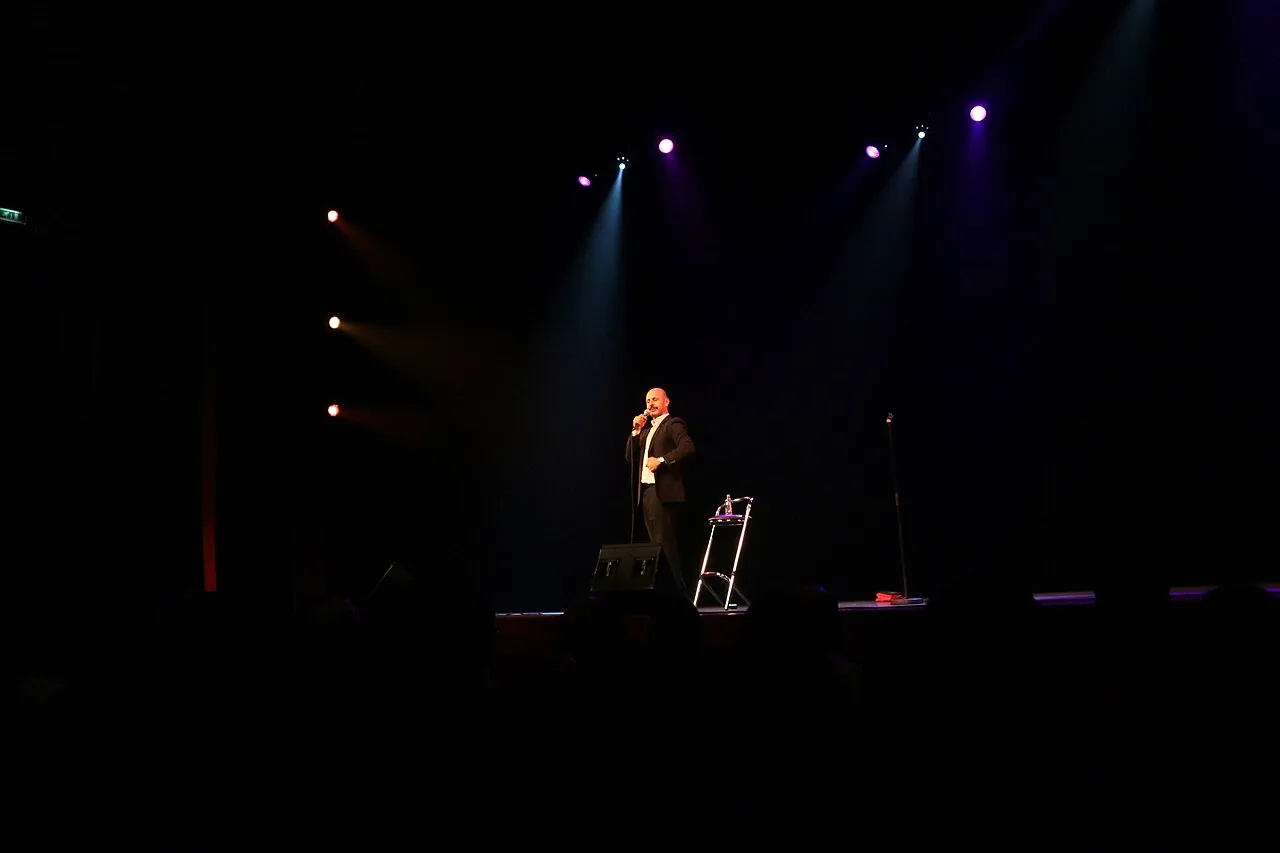
Maz Jobrani, Iranian-American comedian, performing stand-up at Meervaart Theater Amsterdam in 2014 — the bilingual diaspora stage Ghazaleh Ghasemi was built to host.
Maz Jobrani live at Meervaart Theater, Amsterdam · photo via Wikimedia Commons (CC)
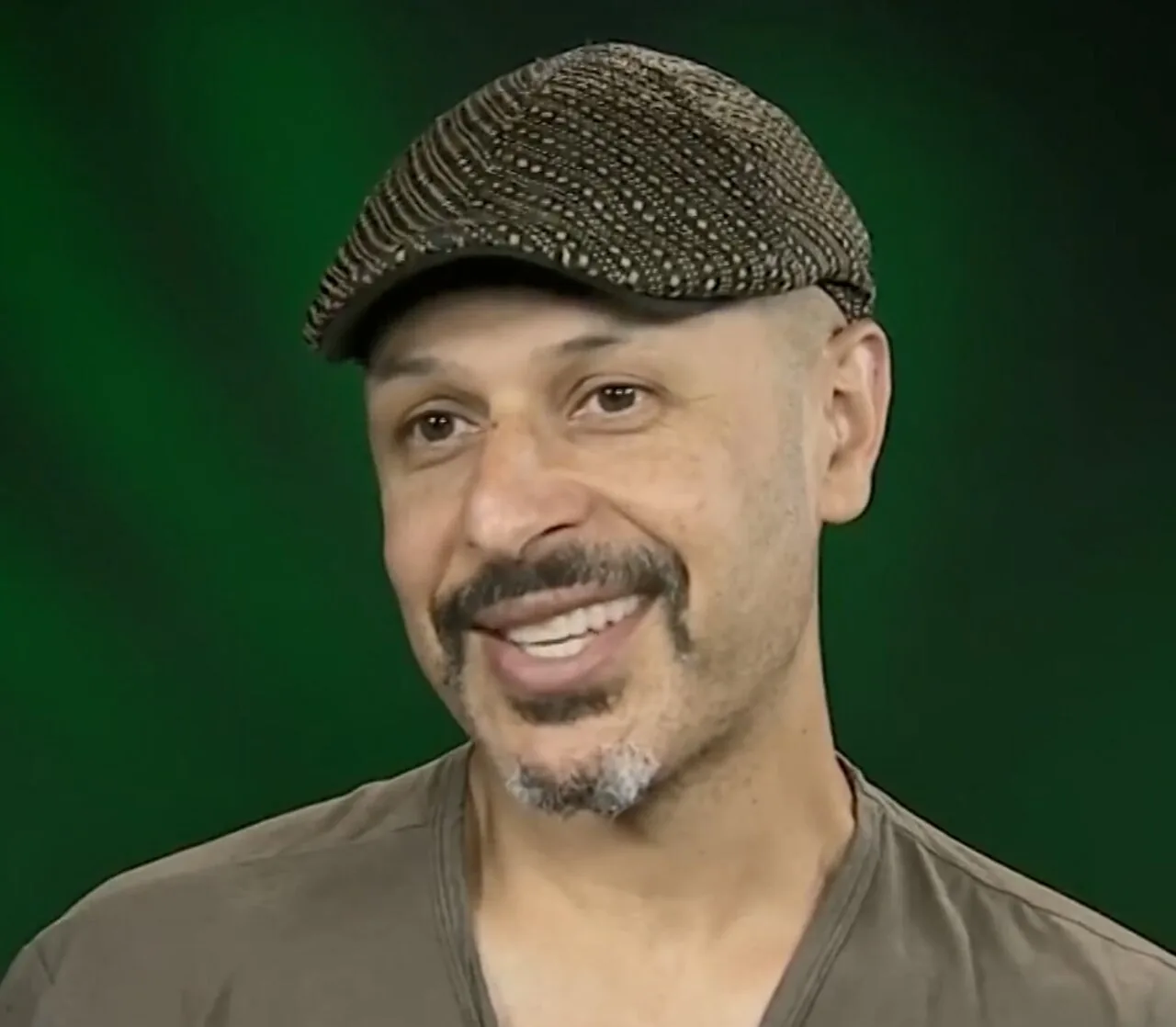
Portrait of Maz Jobrani being interviewed at Voice of America — diaspora comedy icon and reference point for bilingual hosting craft.

A Persian-Canadian comedy crowd in Toronto isn't one audience — it's a Venn diagram. Some are first-generation. Some grew up in Tehran, Vancouver, or Vaughan. Some came for the headliner; some came for the night out. A great host has to read all of them at once.

What we've learned across rooms like these is that bilingual hosting isn't a translation job. It's a posture. You're telling the audience: nobody here has to leave a part of themselves at the coat check.

"She matched the vibe and energy of the show, leaving people more empowered and uplifted than when they arrived."
Rebecca M., The Affirmation Experience

Comedy crowds are honest. If a transition lands flat they tell you in 1.5 seconds. The discipline of opening for comedy headliners forced a sharper craft: shorter openings, cleaner handoffs, and a refusal to over-explain.

It also confirmed something we already suspected — diaspora audiences want to be hosted by someone who can speak to the joke and the silence around it. The unsaid is half the room.

350+
guests at the Isabel Bader Theatre opening for Tehran Comedy Show — a spoken-word piece set the tone for the headliner.

If even 20% of your guest list speaks Farsi at home, a bilingual host changes the temperature of the room. The Persian guests stop translating in their heads. The English guests get a glimpse of another rhythm. Everyone leaves having attended one event, not two.

That's the moment we mean. It doesn't need a famous headliner to happen. It needs a host who's done the work.

Planner's brief

Planning a bilingual or cultural event?

Get the short brief Ghazaleh sends every planner — the questions to answer before language, format, and run-of-show are decided.

Rooms we've held

Comedy · 350 guests

Tehran Comedy Show, Isabel Bader Theatre

Opened the show with a spoken-word piece for an audience of 350.

Cultural · 100 guests

KHOONEH_TEKOONI

A grounding, electrifying evening of Persian cultural celebration in front of 100 guests.

Community · Repeat

Blindspot Event Series

Hosted multiple editions of Blindspot and supported the marketing — a repeat creative partner for the series.

Frequently asked

Questions planners ask.

Yes — and her style was built for them. Most bilingual hosts pick a default language and translate as a courtesy. Ghazaleh weaves both in real time, so the room never feels split. Diaspora crowds in Toronto especially feel seen rather than served.
Absolutely. The bilingual instinct is an asset, not a requirement. For English-only rooms she leans on the same craft — intentional opens, careful transitions, and bridge work between speakers.
Comedy nights, cultural galas, weddings, fundraisers, founder events, and any room where part of the audience would feel more at home in Farsi. The right host turns that mix from awkward to electric.
For named events and cultural galas in Toronto, six to twelve weeks of lead time is ideal. We've turned around in less, but the prep window is where the night gets shaped.

Whether it's a comedy night, a cultural gala, or a founder event with a Persian-Canadian audience in it — we'd love to talk.

Keep reading